Shrinkflation: what the ONS actually counted, and how to spot it on the shelf
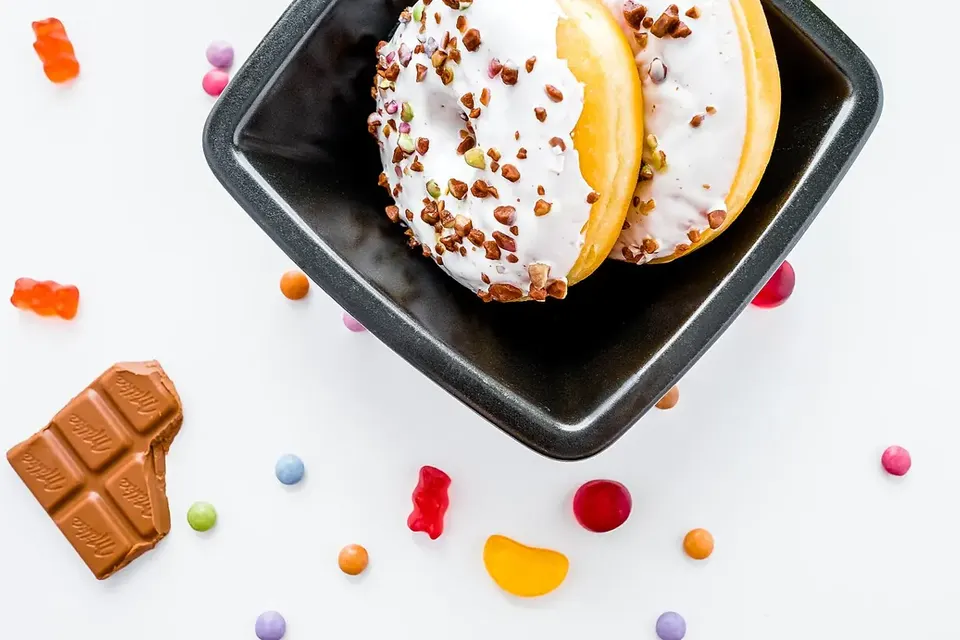
"Shrinkflation" became a household word in the UK in November 2016, when a famous triangular chocolate bar got noticeably gappier. The Office for National Statistics (ONS) then did something useful: instead of collecting anecdotes, it counted. Its figures are older than most people assume, and more careful than most headlines.
What the word means
The ONS defines shrinkflation as a product's size being reduced while its price stays the same. If you pay the same for less, the price per gram has gone up, which is inflation even if the shelf price has not moved. The statisticians already correct for this when they calculate consumer price inflation: their price collectors record pack sizes, and a size change is adjusted for so that like is compared with like.
The counts
The ONS published two pieces of work. The first, Shrinkflation and the changing cost of chocolate (24 July 2017), looked at price quotes, the individual prices its collectors record in shops each month. The second, Shrinkflation: how many of our products are getting smaller? (21 January 2019), tried to count distinct products.
| Finding | Figure | Period |
|---|---|---|
| Price quotes where the tracked item had shrunk | 2,529 | Jan 2012 – Jun 2017 |
| Distinct products that shrank | 206 | Sep 2015 – Jun 2017 |
| Distinct products that got bigger | 79 | Sep 2015 – Jun 2017 |
| Food and drink items in the 2016 sample (with duplicates) | ~37,400 | 2016 |
| … of which with a size reduction | 361 | 2016 |
| … of which with a size increase | 116 | 2016 |
| Share of food products that shrank | 1.0–2.1% | 2016 |
Two details matter. The headline "2,529" counts price quotes, not products: when several collectors price the same popular chocolate box and it shrinks, the change is counted several times. The ONS spent time matching product descriptions by hand to get the "206" figure. And the ONS warns that its sample targets popular, easy-to-follow products, so the results should not be generalised to the whole market.
Did it move inflation?
Barely, at the top level. When the ONS recalculated its lead measure, CPIH, as if pack sizes had never changed, it found "no discernible effect". Even in food and non-alcoholic drinks as a whole, the effect was not noticeable. One sub-category stood out: "sugar, jam, syrups, chocolate and confectionery", where changing pack sizes had added 1.22 percentage points to the inflation rate of those items since the start of 2012.
The 2019 analysis added a telling observation: in the month a product changed size, its price usually stayed the same as the month before. In other words, the size change itself carried the price change, which is exactly what the word describes.
Why manufacturers do it
In its 2017 article, the ONS quoted manufacturers blaming higher costs for numerous ingredients and operating costs, and noted that some commentators linked the timing to the fall in the pound after the EU referendum. The 2019 study, however, found no trend in the frequency of size changes over the July 2015 to June 2017 period, which included the referendum. A shrinking pack is a pricing choice: it avoids crossing a familiar price point such as £1, at the cost of the customer's trust when it is noticed.
How to spot it on the shelf
- Read the unit price, not the shelf price. A smaller pack at the same price shows up immediately as a higher price per kg or per litre. Since April 2026, the reformed price marking rules require consistent units in Great Britain, which makes the comparison easier: our guide on how to read a unit price explains them.
- Check the weight on products you buy by habit. Breakfast cereal, crisps, coffee, chocolate and toilet rolls are classic cases, because people buy them by the pack, not by the gram.
- Count sheets, washes and pieces. For household products, the "quantity" may be a number of washes or sheets. Compare those, not the box size.
- Be wary of new packaging. A redesign, a "new recipe" or a different shape is a natural moment for a size change.
- Compare with a promotion carefully. A multibuy or member deal on a recently shrunk pack can still cost more per gram than the old regular price. See what the CMA found about supermarket loyalty prices.
What we still do not know
The ONS figures stop in mid-2017. When we checked in November 2026, the ONS still listed its January 2019 article as the latest release in the series, and we found no later count of shrinking products on the same basis, so claims that shrinkflation is "worse than ever" deserve a source. The method, though, is the useful legacy: count products rather than headlines, and compare prices per unit rather than per pack.